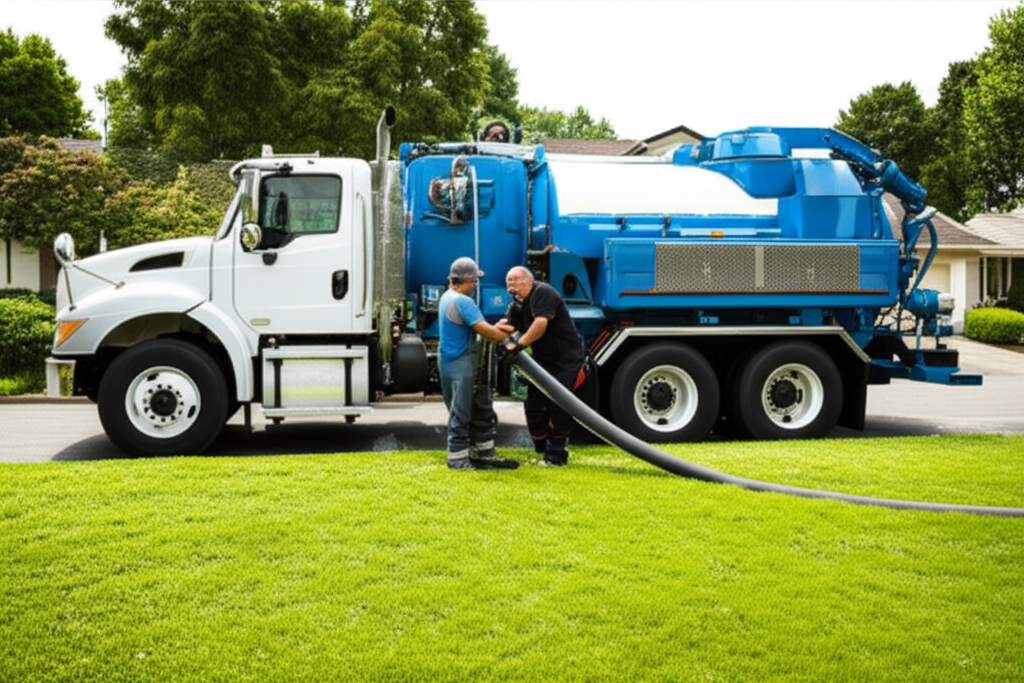
How Often Should You Pump Your Septic Tank? (Schedule by Tank Size & Household)
Understanding Septic Tank Pumping Schedules
One of the most common questions homeowners with septic systems ask is: "How often should I pump my septic tank?" The answer depends on several factors, including household size, tank capacity, water usage, and the volume of solids entering the system. Understanding these variables is essential for maintaining a healthy and efficient septic system that can last for decades.
📊 Real Data from Find A Septic
- Based on 5,345 customer reviews across 80 cities
- Prices reported by customers: $15 – $27,500 (avg $1,402)
- 600 companies offer emergency/same-day service
The General Rule of Thumb
The Environmental Protection Agency (EPA) recommends that most septic tanks be pumped every 3 to 5 years. However, this is a general guideline, and your specific situation may require more or less frequent pumping. Some households may need annual pumping, while others can safely wait up to seven years between service appointments.
The key factors that influence your pumping schedule include:
- Household size: More people means more water usage and waste generation
- Tank size: Larger tanks can hold more solids before needing to be pumped
- Water usage: High water consumption can overload the system
- Garbage disposal use: Disposals significantly increase solid waste in the tank
- Age of the system: Older systems may require more frequent maintenance
How Your Septic Tank Works
To understand why pumping is necessary, it helps to know how your septic tank functions. When wastewater enters the tank, it naturally separates into three layers:
- 1. Scum layer: Fats, oils, and grease float to the top
- 2. Effluent layer: The middle layer of relatively clear water flows to the drain field
- 3. Sludge layer: Heavy solids settle to the bottom
Over time, the scum and sludge layers accumulate. If they build up too much, solids can escape into the drain field, causing clogs and potentially leading to system failure. Regular pumping removes these accumulated solids, keeping your system functioning properly.
Factors That Affect Pumping Frequency
Household Size
The number of people in your home directly affects how quickly your septic tank fills. Here is a general guide based on tank size and occupancy:
- 1-2 people, 1,000-gallon tank: Pump every 5-6 years
- 3-4 people, 1,000-gallon tank: Pump every 2-3 years
- 5+ people, 1,000-gallon tank: Pump every 1-2 years
- 3-4 people, 1,500-gallon tank: Pump every 3-5 years
- 5+ people, 1,500-gallon tank: Pump every 2-3 years
Water Usage Habits
High water usage puts additional strain on your septic system. Consider the following water-saving practices:
- Fix leaky faucets and toilets promptly
- Use high-efficiency appliances
- Spread laundry loads throughout the week instead of doing multiple loads in one day
- Take shorter showers
- Install low-flow fixtures
What Goes Down the Drain
Your septic system is designed to process household wastewater, but certain items can accelerate the accumulation of solids:
- Garbage disposals can increase sludge buildup by up to 50%
- Non-biodegradable items like wipes, feminine products, and paper towels should never be flushed
- Harsh chemicals can kill the beneficial bacteria that break down waste
- Cooking grease should never go down the drain as it contributes to the scum layer
Signs Your Tank Needs Pumping
Even if you follow a regular schedule, watch for these warning signs that your tank may need immediate attention:
- Slow drains throughout your home
- Sewage odors near the tank or drain field
- Standing water or soggy spots near the drain field
- Sewage backing up into the house
- Unusually lush, green grass over the drain field
The Cost of Pumping
Septic tank pumping typically costs between $300 and $600, depending on your location, tank size, and accessibility. This is a small price to pay compared to the $3,000 to $7,000 or more that a drain field replacement can cost, or the $15,000 to $30,000 for a complete system replacement.
Tips for Extending Time Between Pumpings
While regular pumping is essential, there are steps you can take to reduce the frequency:
- 1. Conserve water to reduce the volume entering your tank
- 2. Avoid garbage disposals or use them sparingly
- 3. Never flush non-biodegradable items
- 4. Use septic-safe products for cleaning and personal care
- 5. Divert rainwater away from the drain field area
- 6. Have your system inspected regularly between pumpings
Keeping Records
Maintain a record of all septic system maintenance, including pumping dates, inspection results, and any repairs. This information is valuable for:
- Tracking your system's health over time
- Planning future maintenance
- Providing documentation for home sales
- Identifying potential problems early
Conclusion
Regular septic tank pumping is one of the most important maintenance tasks for homeowners with septic systems. By understanding the factors that affect your pumping schedule and following best practices for system care, you can extend the life of your septic system and avoid costly repairs. When in doubt, consult with a licensed septic professional who can assess your specific situation and recommend an appropriate maintenance schedule.
Use our directory to find a trusted septic service provider in your area and schedule your next pumping today.
---
Find a Septic Professional Near You
Looking for a trusted septic service provider? Browse our directory of 1111 companies across 80 cities, with real customer reviews and pricing data. Use our Cost Calculator to see average prices in your area.