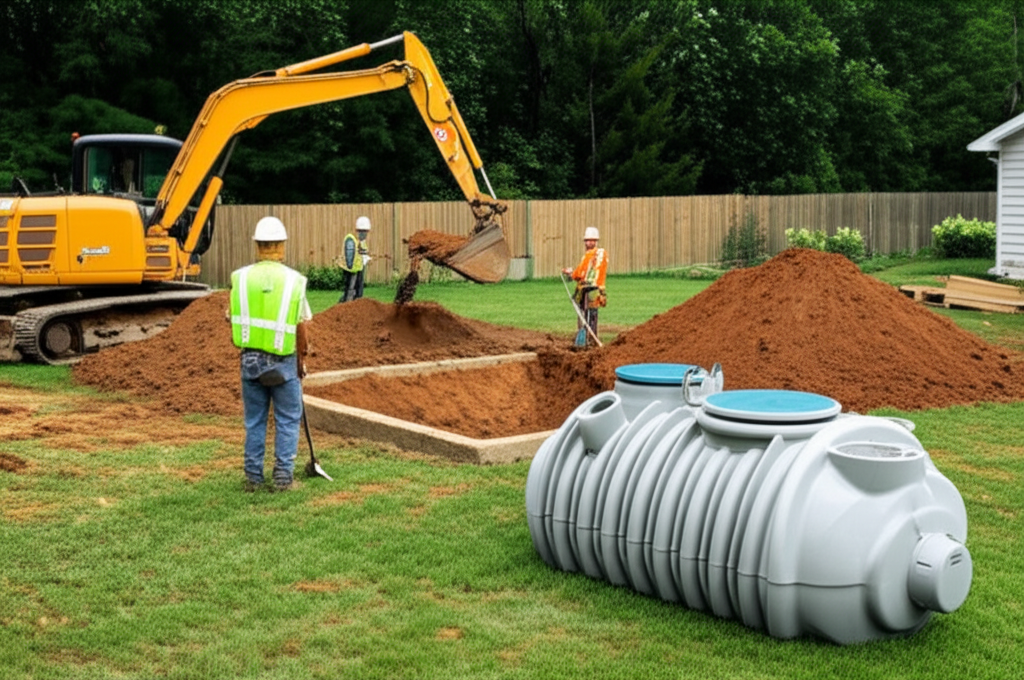
How Much Does Septic Tank Installation Cost?
Understanding Septic Tank Installation Costs
Installing a new septic system is a significant investment for any homeowner. Whether you are building a new home in a rural area without sewer access or replacing a failing system, understanding the costs involved helps you budget appropriately and make informed decisions. This comprehensive guide breaks down the various factors that influence septic tank installation costs and what you can expect to pay.
📊 Real Data from Find A Septic
- Based on 5,345 customer reviews across 80 cities
- Prices reported by customers: $15 – $27,500 (avg $1,402)
- 600 companies offer emergency/same-day service
Average Cost Overview
The total cost of a new septic system installation typically ranges from $10,000 to $25,000, with the national average being approximately $15,000. However, costs can vary significantly based on numerous factors:
- Basic conventional system: $10,000-$15,000
- Advanced treatment system: $15,000-$25,000
- Mound system: $15,000-$30,000
- Aerobic treatment system: $12,000-$22,000
- Chamber system: $12,000-$18,000
These ranges include the tank, drain field, labor, permits, and basic site preparation. Actual costs in your area may be higher or lower depending on local conditions.
Cost Breakdown by Component
Septic Tank ($1,500-$5,000)
The tank itself represents a significant portion of the total cost. Prices vary by material and size:
By Material:
- Concrete tanks: $1,500-$4,000 — Most durable and common, last 40+ years
- Fiberglass tanks: $2,000-$5,000 — Lightweight, resistant to corrosion, won't crack
- Polyethylene (plastic) tanks: $1,200-$3,000 — Lightweight and affordable, but less durable
- Steel tanks: $1,000-$2,500 — Least common, prone to rust, shorter lifespan
By Size:
- 750 gallon: Suitable for 1-2 bedroom homes
- 1,000 gallon: Most common, suitable for 3-bedroom homes
- 1,250 gallon: Suitable for 4-bedroom homes
- 1,500+ gallon: For larger homes or high water usage
Drain Field ($3,000-$15,000)
The drain field (or leach field) is often the most expensive component. Cost depends on:
- Size of the field: Determined by soil absorption rate and household size
- Type of system: Conventional trenches vs. chambers vs. mound systems
- Soil conditions: Poor soil may require engineered solutions
- Land grading: Sloped or uneven terrain adds complexity
Labor ($3,000-$8,000)
Installation labor typically accounts for 30-40% of the total cost:
- Excavation and earthmoving
- Tank placement and connection
- Drain field construction
- Pipe installation and connections
- Backfilling and site restoration
Permits and Engineering ($500-$3,000)
Before any work begins, you will need:
- Soil percolation test: $500-$1,500 — Required to determine soil suitability
- System design and engineering: $500-$2,000 — A licensed engineer designs the system
- Building permits: $200-$1,000 — Varies by jurisdiction
- Inspections: Often included in permit fees
Factors That Affect Total Cost
Soil Type and Conditions
Soil is perhaps the biggest cost variable. Ideal sandy or loamy soil allows for standard installations. Challenging conditions that increase costs include:
- Clay soil: Requires larger drain fields or alternative systems
- Rocky terrain: Increases excavation costs significantly
- High water table: May require mound systems or special designs
- Shallow bedrock: Limits traditional drain field options
- Expansive soil: Requires special engineering consideration
Property Characteristics
Your property can significantly affect installation costs:
- Distance from the home to suitable soil: Longer pipe runs increase costs
- Terrain and slope: Hilly terrain may require pump systems
- Accessibility: Limited access for excavation equipment raises labor costs
- Existing landscaping: Removing trees, hardscaping, or other features adds expense
- Lot size constraints: Smaller lots may require more compact, expensive system types
System Type
Different system types vary widely in cost:
Conventional Gravity System ($10,000-$15,000)
The most affordable option when conditions allow. Uses gravity to move effluent from the tank to a drain field of perforated pipes in gravel trenches.
Chamber System ($12,000-$18,000)
Uses plastic chambers instead of gravel trenches. Easier to install and may work better in some soil conditions.
Mound System ($15,000-$30,000)
Required when the water table is too high or soil is insufficient. An elevated sand mound is constructed above the natural soil surface.
Aerobic Treatment System ($12,000-$22,000)
Uses oxygen to enhance bacterial treatment. Produces higher quality effluent. Often required in sensitive environmental areas.
Drip Distribution System ($15,000-$25,000)
Uses flexible tubing to distribute effluent evenly through the soil. Good for challenging terrain but more expensive.
Geographic Location
Installation costs vary significantly by region:
- Northeast: Generally higher costs due to frost depth requirements and rocky soil
- Southeast: Moderate costs, but high water tables can add expense
- Midwest: Moderate costs with generally favorable soil conditions
- West: Variable, with high costs in rocky mountain areas and moderate costs in valley regions
- Rural vs. suburban: Rural areas may have lower labor costs but higher travel charges
Hidden Costs to Consider
Tree and Stump Removal ($200-$2,000)
If trees are located in the installation area, they need to be removed. Stump grinding adds additional cost.
Landscaping Restoration ($500-$3,000)
After installation, your yard will need restoration. This includes grading, topsoil, seeding or sodding, and possibly replacing hardscaping.
Electrical Work ($500-$1,500)
Pump systems and aerobic treatment units require electrical connections. An electrician may be needed.
Additional Site Work ($500-$5,000)
This can include driveway repairs, fence relocation, retaining walls, or other modifications needed to accommodate the system.
How to Save on Installation Costs
While you should never cut corners on quality, there are ways to manage costs:
- 1. Get multiple quotes — At least three from licensed installers
- 2. Choose the right system — Do not oversize or over-engineer
- 3. Time your installation — Off-season work (late fall/early spring) may be cheaper
- 4. Prepare the site — Clear brush and debris yourself if possible
- 5. Bundle services — Some companies offer discounts for combined design and installation
- 6. Check for permits early — Understanding requirements prevents costly redesigns
Financing Options
Given the significant cost, many homeowners explore financing options:
- Home equity loans or lines of credit
- Personal loans from banks or credit unions
- Contractor financing offered by some installation companies
- USDA Rural Development loans for qualifying properties
- State or county assistance programs in some areas
Choosing an Installer
The quality of installation significantly affects your system's longevity and performance. When selecting an installer:
- Verify they are licensed and insured in your state
- Check references and reviews from past customers
- Confirm they will obtain all necessary permits
- Ask about warranties on workmanship and components
- Get everything in a written contract
- Ensure they will handle inspections during and after installation
Conclusion
Septic tank installation is a major investment, but a well-designed and properly installed system will serve your home reliably for decades. By understanding the costs involved and the factors that affect pricing, you can make informed decisions and budget appropriately. Use our directory to find licensed septic installers in your area and get competitive quotes for your project.
---
Find a Septic Professional Near You
Looking for a trusted septic service provider? Browse our directory of 1111 companies across 80 cities, with real customer reviews and pricing data. Use our Cost Calculator to see average prices in your area.