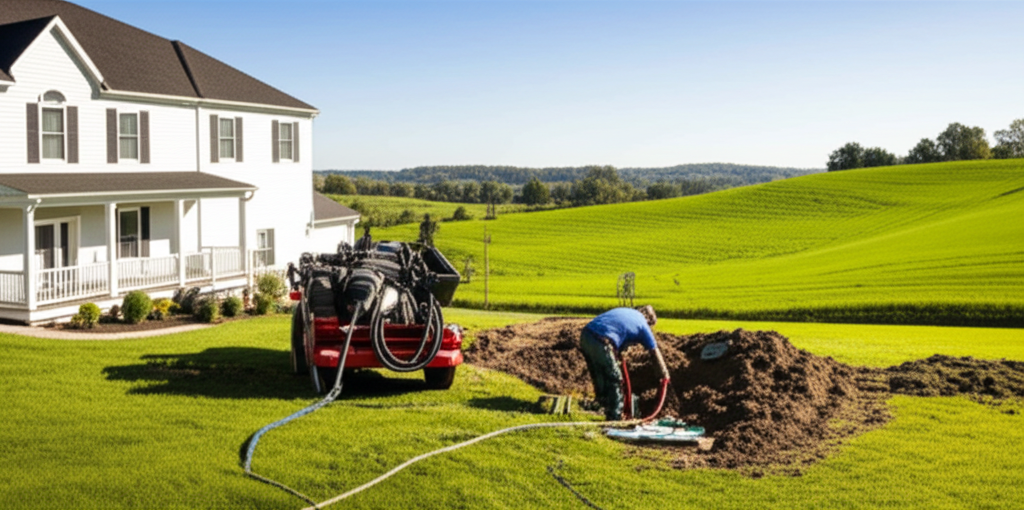
Pennsylvania Septic System Guide: Costs, Regulations, and Maintenance
Pennsylvania Septic System Guide
Pennsylvania is home to approximately 1.7 million on-lot sewage disposal systems, making it one of the states with the highest number of septic systems in the nation. The Keystone State's diverse geography, from the Appalachian Mountains to the coastal plains, creates varied conditions that affect how septic systems perform. This guide covers everything Pennsylvania homeowners need to know.
Pennsylvania's Regulatory Framework
Pennsylvania's septic systems are regulated under the Pennsylvania Sewage Facilities Act (Act 537), administered by the Pennsylvania Department of Environmental Protection (DEP) and enforced by local municipalities through Sewage Enforcement Officers (SEOs).
Every municipality in Pennsylvania must have an official plan for sewage management. When you need a new septic system or major repair, you'll work with your local SEO, who handles site evaluations, issues permits, and conducts inspections.
Key Pennsylvania Regulations
Sewage Enforcement Officers: Pennsylvania uses a unique system where certified SEOs serve as the primary point of contact for homeowners. These professionals are certified by the state and work at the municipal level. Your SEO evaluates your site, issues permits, and inspects installations.
Permit Requirements: A permit is required for any new installation, replacement, or major repair. The process includes site testing by the SEO, system design by a certified professional, permit issuance, construction by a licensed installer, and final inspection by the SEO.
Alternate Systems: Pennsylvania permits a wide range of alternative treatment technologies for sites where conventional systems won't work. These include spray irrigation systems, drip irrigation systems, aerobic treatment units, sand mound systems, and constructed wetlands.
Costs Across Pennsylvania
Septic service costs vary across the state's different regions.
Pumping Costs:
- Philadelphia suburbs: $350-$550
- Pittsburgh area: $275-$475
- Central PA (Harrisburg, Lancaster): $250-$450
- Rural areas: $225-$400
Installation Costs:
- Conventional system: $6,000-$12,000
- Sand mound system: $12,000-$20,000
- Spray irrigation system: $15,000-$25,000
- Drip irrigation system: $15,000-$25,000
The southeastern part of the state, including the Philadelphia suburbs and Lancaster County, tends to have higher costs due to real estate prices and demand. Western Pennsylvania, including the Pittsburgh area, offers more competitive pricing.
Regional Considerations
Southeastern PA: The rolling hills and clay soils of Chester, Delaware, and Montgomery counties create challenges for conventional systems. Many properties require mound or alternative systems. The region's proximity to the Chesapeake Bay watershed means enhanced regulations for nutrient management.
Pittsburgh and Western PA: The hilly terrain of western Pennsylvania presents its own challenges, including steep slopes and shallow bedrock. However, the region's lower property values often mean more land is available for system placement.
Central PA: The agricultural heartland of Pennsylvania has extensive limestone geology, which can create sinkholes and rapid pathways for contamination. Special attention to setback distances and system type is important in karst terrain.
Northeastern PA (Scranton, Poconos): Rocky soils and cold winters create challenging conditions. The Pocono Mountains area sees heavy seasonal use from vacation homes, which creates unique demands on septic systems.
Maintenance Tips for PA Homeowners
Pennsylvania's four distinct seasons each bring different challenges for septic systems. Regular maintenance is essential and should be adapted to the season.
Spring: Check for frost damage, especially in northern counties where the frost line extends deep. Spring thaw and rain can reveal problems that developed over winter.
Summer: The best time for major maintenance, repairs, and inspections. Schedule your pumping during this period if possible.
Fall: Prepare your system for winter by having it pumped and inspected. Clear debris from the drain field area and ensure proper grading for water drainage.
Winter: Minimize water usage during extreme cold to prevent pipe freezing. Keep snow cover over the system for insulation.
Find providers in Philadelphia, Pittsburgh, Allentown, Erie, and across the state in our Pennsylvania septic directory.
---
Find a Septic Professional Near You
Looking for a trusted septic service provider? Browse our directory of 1111 companies across 80 cities, with real customer reviews and pricing data. Use our Cost Calculator to see average prices in your area.